
The Ecology of Skin: Fungal Acne, the Microbiome and the Role of Skincare
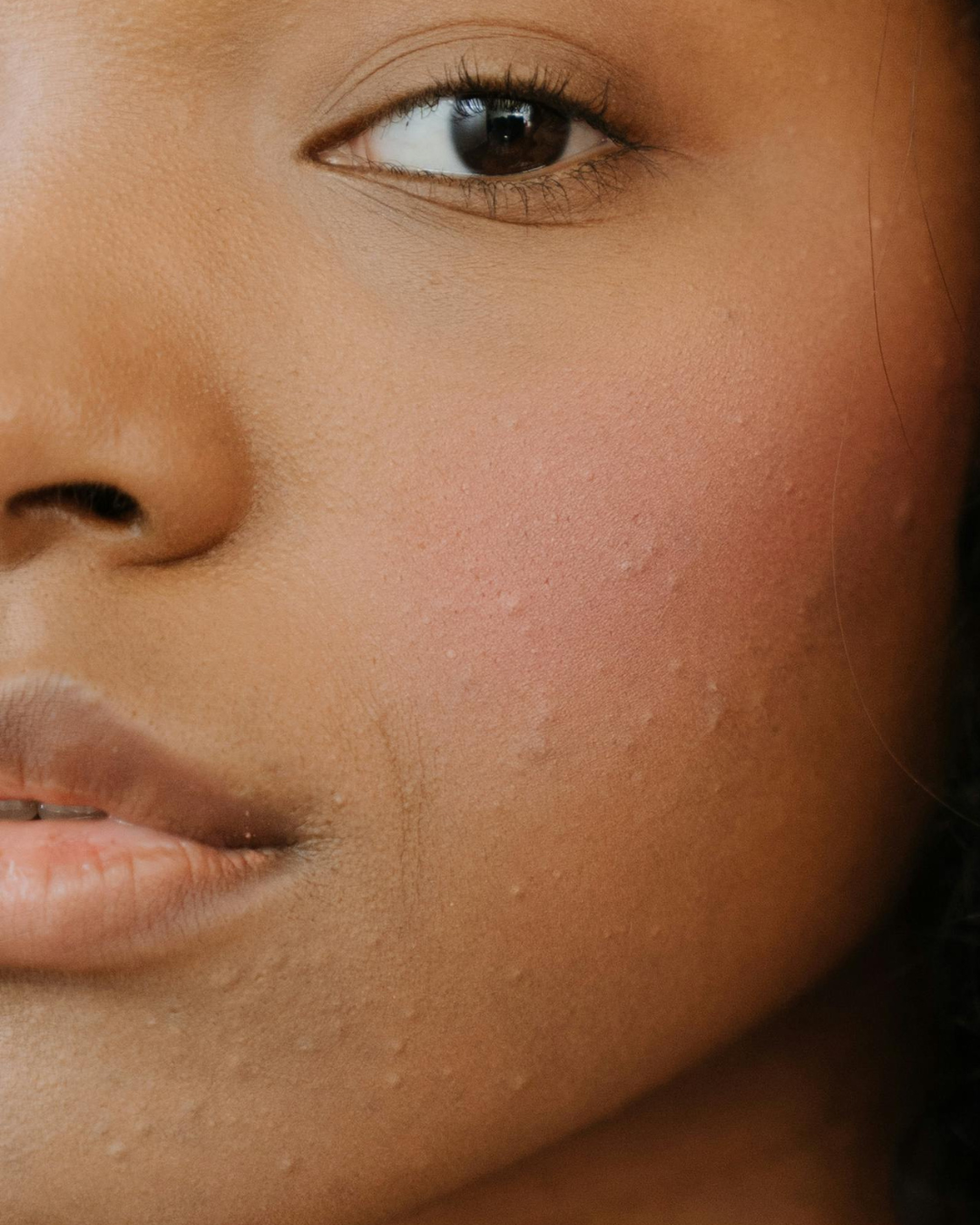
The skin’s surface is home to an intricate ecosystem of bacteria, fungi and viruses which play a vital role in maintaining clear, resilient skin. When the delicate balance between these micro-organisms is disrupted, certain species can proliferate freely, contributing to breakouts and inflammatory conditions such as acne, rosacea and seborrhoeic dermatitis.
Fungal-based breakouts in particular are frequently misunderstood. In many cases, the very products intended to improve the skin can inadvertently encourage microbial overgrowth. For those with blemish-prone skin, understanding the microbiome and its interaction with skincare ingredients is essential to mitigating breakouts.
What is fungal acne?
The term “fungal acne” is a misnomer, referring to a condition better described as “folliculitis.” Folliculitis is not technically a form of acne as it does not directly involve the oil glands. Instead, it occurs when the hair follicles become infected or inflamed. In fungal folliculitis, the condition is caused by the overgrowth of a yeast called Malassezia (previously Pityrosporum).
This yeast is naturally present on the skin and usually harmless, but under certain conditions, it can proliferate within the hair follicles, leading to clusters of small, itchy bumps. Breakouts can appear along the forehead, jawline, neck, chest and upper back.
What causes fungal folliculitis?
Fungal folliculitis is caused by a complex interplay between internal and external conditions, lifestyle factors and genetic predispositions.
Heat and moisture create the ideal conditions for yeast to thrive, particularly tropical climates such as Australia and Southeast Asia. Research has shown that in some regions, more than half of all acne patients have a Malassezia overgrowth. Excessive sweating, humidity and tight-fitting clothes can often trigger breakouts. Occlusive skincare products can further contribute to a moist skin environment.
Internal factors such as antibiotic use, stress and hormonal fluctuations can reduce microbial diversity and weaken the skin’s regulatory mechanisms. Some individuals may also have a greater susceptibility to Malassezia overgrowth due to variations in sebum composition, barrier function and immune response. Together, these influences disrupt the skin’s microbial balance and create a favourable environment for Malassezia to flourish.
Why is fungal folliculitis so persistent?
As Malassezia breakouts can often resemble or occur alongside conventional acne, it is frequently misdiagnosed. Many acne treatments, including benzoyl peroxide and oral antibiotics, can unintentionally exacerbate the fungal-based condition by selectively inhibiting the growth of bacteria, allowing space for Malassezia to proliferate.
Additionally, many skincare ingredients are composed of fatty acids which fuel the growth of Malassezia. These ingredients are widely added to stabilise formulations, support moisture retention and provide various skin benefits. Even gentle and minimal formulations often contain emulsifiers and thickeners to enhance texture and consistency. Although not inherently harmful to the skin, their repeated use can fuel the overgrowth of Malassezia and cause breakouts to recur.
What are fatty acids?
Fatty acids are the fundamental building blocks of lipids that are found in all living things. They make up cell membranes and energy storage molecules in animals, plants and micro-organisms. Fatty acids such as palmitic acid and stearic acid are also the main components of human sebum. Some fatty acids can be synthesised by the organism, but others must be obtained from external sources.
Malassezia lacks the ability to produce its own fatty acids, relying completely on external lipids. Specifically, it feeds on long-chain fatty acids that contain between 11 and 24 carbon atoms in their molecular structure. These are naturally found in plant and animal-based oils, butters and waxes which are broken down by Malassezia into their “free” form that the yeast can metabolise.
In skincare, these lipids are frequently incorporated into serums and creams to help lock in moisture and restore the skin’s protective barrier. Their fatty acid content is precisely what makes them both beneficial for moisture retention and potentially problematic for individuals prone to Malassezia overgrowth.
Which ingredients trigger Malassezia?
Many skincare ingredients that improve texture, stability, emulsification and moisture retention are derived from fatty acids, making them potential triggers for fungal acne. Below are some of the most common categories of ingredients that contribute to Malassezia overgrowth.
Most people can apply these to their skin and scalp without issues. However, among individuals who are prone to fungal folliculitis or seborrheic dermatitis, these ingredients can trigger or worsen breakouts.
Free Fatty Acids — e.g. palmitic acid, stearic acid, myristic acid, oleic acid, linoleic acid, lauric acid
Plant Lipids — e.g. grapeseed oil, jojoba oil, sweet almond oil, sunflower seed oil, macadamia oil, evening primrose oil, argan oil, safflower oil, avocado oil, shea butter, coconut oil
Animal-Derived Waxes & Fats — e.g. lanolin, tallow, beeswax
Glyceryl Derivatives — e.g. glyceryl stearate, glyceryl oleate, glyceryl isostearate, glycerol laurate, glyceryl caprylate
PEG Derivatives — e.g. PEG-100, PEG-40, PEG-7
Polysorbates — e.g. Polysorbate 20, Polysorbate 60, Polysorbate 80
Esters — e.g. isopropyl myristate, glyceryl stearate, sorbitan oleate
It’s important to note that this is not a comprehensive list. Thousands of skincare ingredients are either directly composed of fatty acids or derived from fatty acid chemistry in some way. Many products marketed as “oil-free” or “non-comedogenic” still contain ingredients that can contribute to flare-ups.
A different approach to skincare
Fungal folliculitis presents a unique predicament when formulating botanical skincare. Plant-based oils and butters are composed of the very fatty acids that enable Malassezia to proliferate. When developing our products, we had to reimagine how we formulate skincare altogether.
This meant fewer, more intentional ingredients, carefully selected for stability, synergy and sensory elegance. By pairing high-purity botanicals with biomimetic actives, we created a system of adaptive formulas that support clarity and radiance while respecting the skin’s natural microbiome and barrier function.
