
A Return to Rhythm: On Timing, Flow and the Slipstream of Life
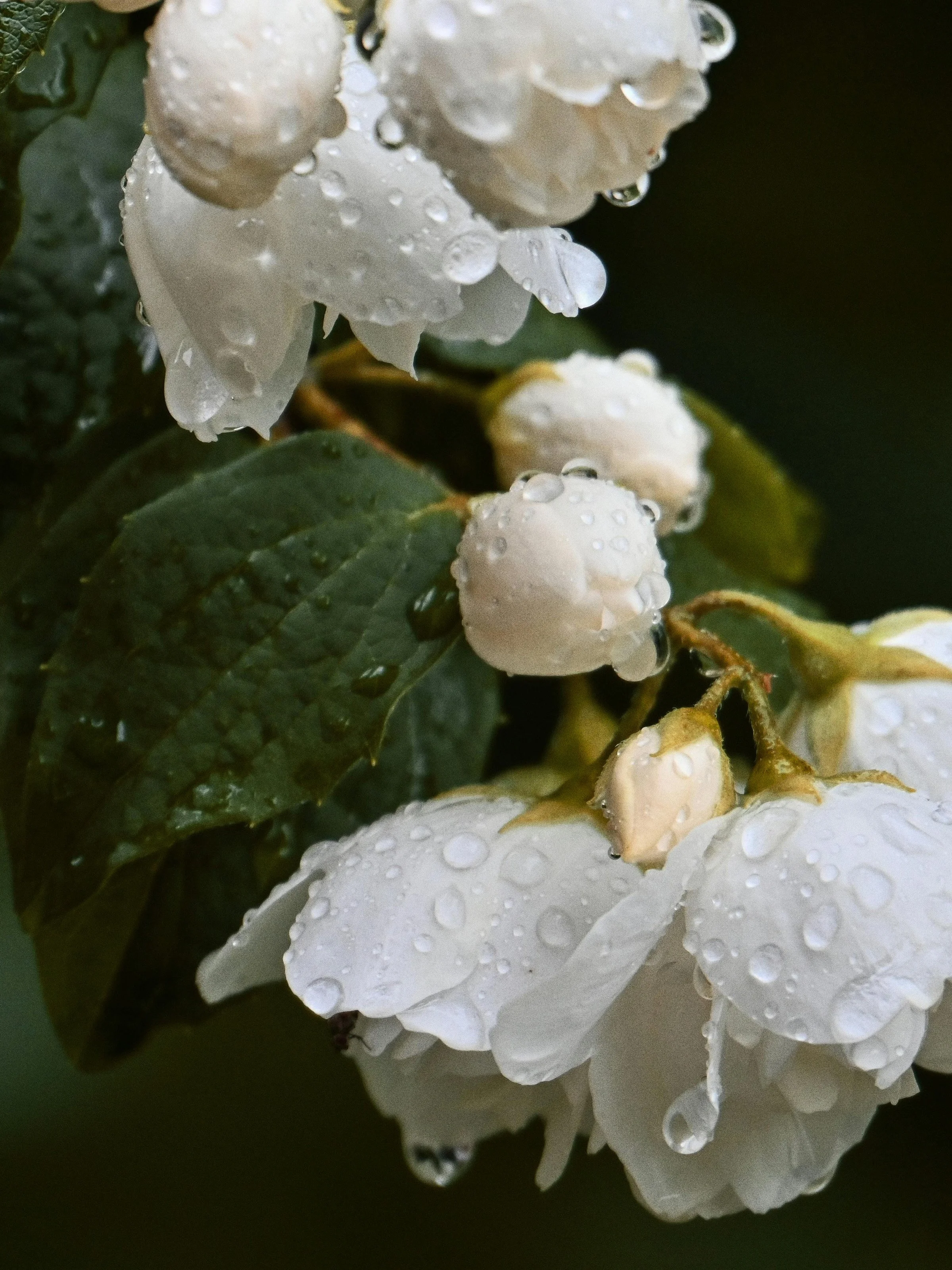
In a recent busy season, I was reminded that my body is always on time. Like jasmine that blooms only at night, my body follows a rhythm entirely of its own.
Mornings have never moved easily through me. The world often expects us to begin at 8am, bright and early, yet for me it always felt like swimming against the tide. Looking back, I can see how this friction contributed to the dissonance I felt at school, and later, the burnout I experienced at work.
My energy naturally ebbs and flows throughout the day, rising slowly by midday, softening in the afternoon, before surging again in the evening. This is my chronotype, the inner tempo of my body, shaped by my circadian rhythm. Just as butterflies can’t be forced to emerge, we each carry an internal clock that can’t be rushed.
Humans are nature, not separate, but one and the same. We would never dig up the seeds and ask why they’re not sprouting. Instead, we look to the external conditions—what perfect combination of sunlight, temperature and water do they need to grow? I started to see “lateness” not as a mistake, but a mismatch between external expectations and internal rhythms.
Having this awareness has made planning and strategising feel lighter and more intuitive. Suddenly, the questions of when and how are answered by the subtle cues and patterns of my body. The more I tune in, the more I learn about nature’s intelligence regarding timing and flow. In a way, it’s a relief to know that my body has set a schedule for everything—preparation, action, rest, recovery—and syncing with it is like entering a slipstream, where life feels both effortless and inevitable.
“Wu Wei means ‘effortless action.’ It is the state of being in alignment with the natural rhythm of the elements, both within and without. The paradox is that nourishment comes from our ability to step into flow with the way things are, rather than fight against them. The more we fight with the flow of life, the more our vital resources will be exhausted. In this way, Wu Wei is not about resignation or laziness, but rather, it is about skilful self-preservation.”
— STEPHANIE NOSCO
Fleuraison is grounded in TCM wisdom passed down to me by my father. From an early age, he taught me that herbal medicine is not about fixing what is broken, but about supporting the body’s natural ability to heal. This became the heart of my skincare philosophy. Instead of encouraging reliance on products, my intention is to nurture resilience by supporting the skin’s intrinsic cycles of repair and renewal.
Beneath the surface, our skin is carrying an invisible burden. The demands of our modern lifestyle have left it feeling stressed, reactive and fatigued. At high concentrations, even the most gentle ingredients can disrupt the skin’s delicate equilibrium. I wanted to create a daily serum that delivers just the right amount of nourishment—not too much, not too little.
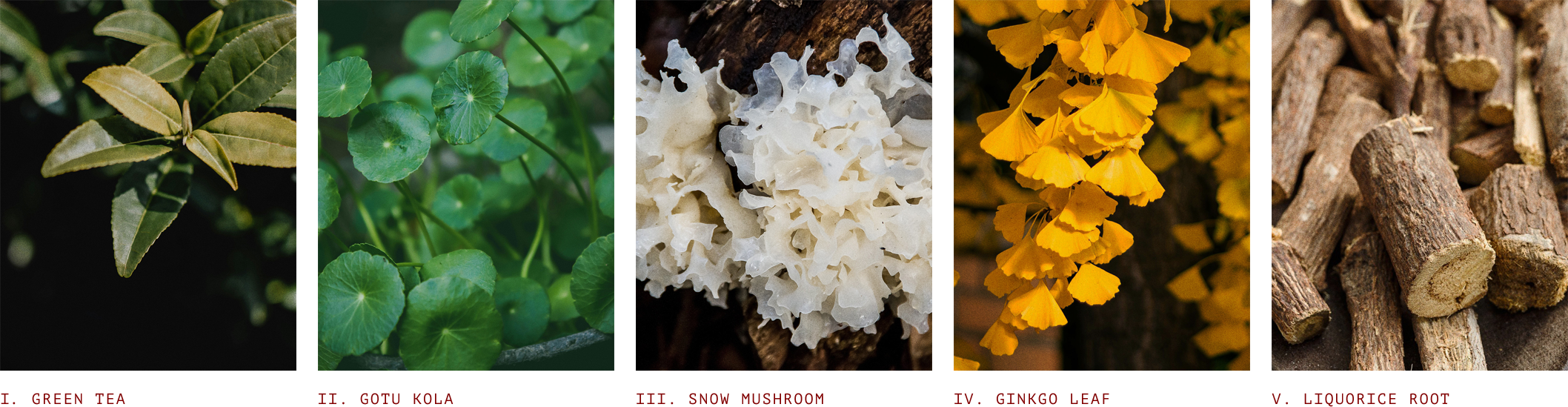
Powered by five time-honoured adaptogenic herbs, Quintessence restores balance to the skin by enhancing its ability to retain moisture and regulate stress. Liquorice Root and Gotu Kola work synergistically to reduce redness and promote clearer skin. Green Tea and Ginkgo Leaf protect the skin against external stressors, while Snow Mushroom provides soothing hydration.
Using this serum is an extraordinary act of trust. Instead of forcing change or rushing repair, Quintessence strengthens the skin barrier over time, promoting the continuous and invisible process of healing. With daily devotion, the skin finds its rhythm again—balanced, resilient and radiant.
It might seem counterintuitive for jasmine to bloom at night, yet this is precisely when its pollinators are most active. Nature teaches us that timing is diverse, not uniform. Jasmine belongs to the night, just as morning glories belong to the dawn.
Our intrinsic rhythms are not flaws, they fit in with the grander scheme of life. Perhaps in early human evolution, night-bloomers were the dreamers and storytellers, the guardians and healers—the legacy of which I carry today.
As we enter the busiest season of the year, I wonder what beauty we may find in returning to our rhythms? What truths will we learn about ourselves? What miracles might occur when instead of resisting the flow of life, we trust in our perfect timing?
With devotion,
Annie
